

.png)

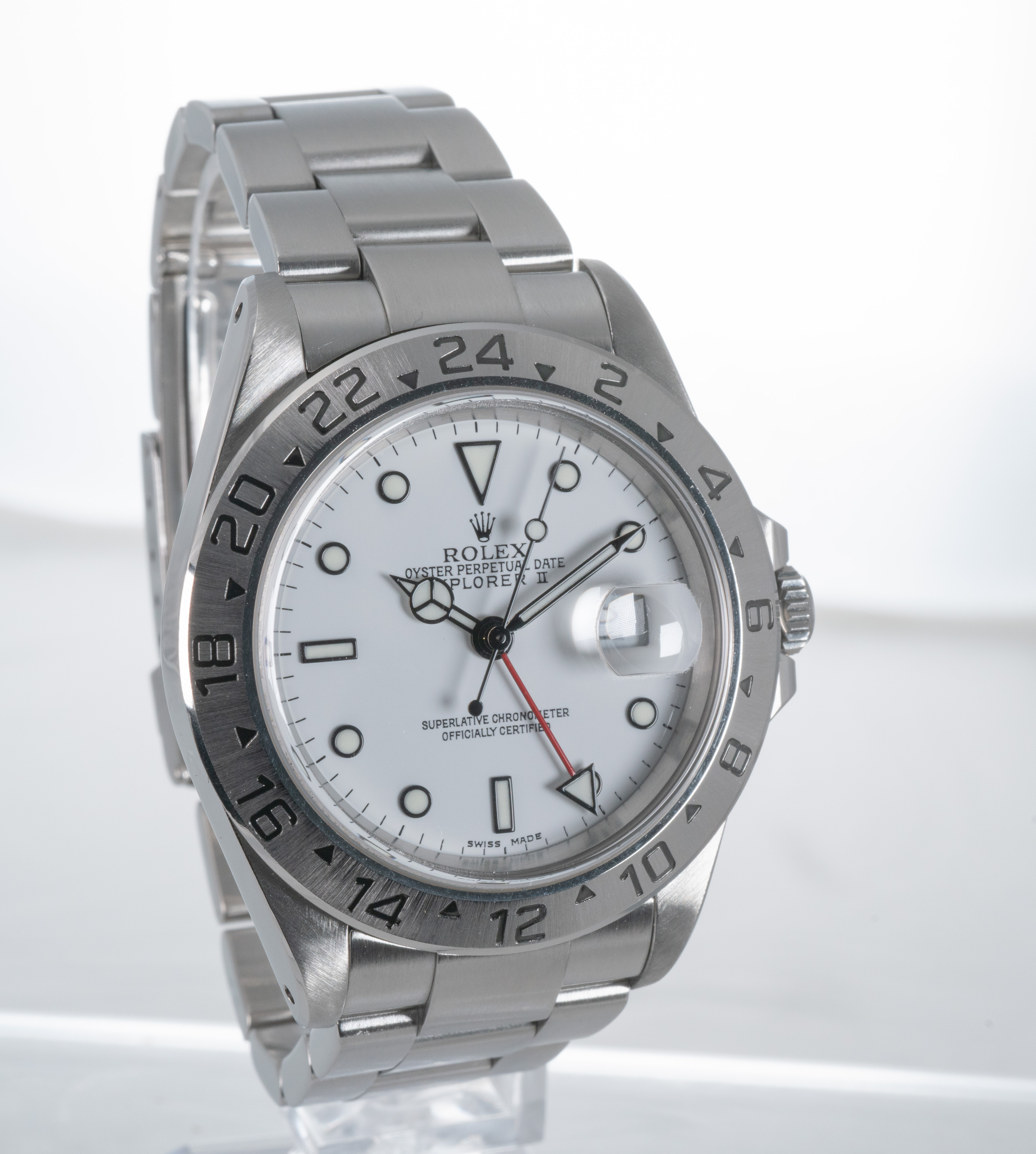
In an age where online tutorials promise quick fixes for nearly anything, it’s tempting to believe that repairing a watch can be as simple as following a video and buying a small toolkit. For many household items, DIY repairs are harmless and cost-effective. But when it comes to watches—especially high-end, luxury, vintage, or sentimental timepieces—DIY intervention can do far more harm than good.
A watch is a miniature machine of extraordinary complexity. Even simple quartz models contain delicate components that require precise handling. Luxury mechanical watches can have hundreds of individual parts, some the width of a human hair. Attempting to repair a timepiece without professional training risks causing irreversible damage, devaluing the watch, or destroying its functionality entirely.
In this article, we explore the reasons you should avoid DIY watch repairs and instead trust your timepiece to a qualified specialist who can ensure its longevity, accuracy, and value.
To the untrained eye, a watch is a compact device with a few visible components. But inside, even the simplest mechanical watch contains a delicate system of gears, springs, pivots, jewels, and screws working in perfect harmony. Luxury timepieces add complications such as:
Each complication introduces layers of complexity requiring specialised knowledge and equipment to maintain or repair.
DIY repairs often fail because the mechanical systems inside watches behave in ways that amateurs don’t expect. A slight misalignment, an improperly seated part, or even a speck of dust can stop the entire mechanism from working.
Professional watchmakers use purpose-built tools designed specifically for the horological industry. These include:
These tools cost thousands of pounds and require training to use correctly. By contrast, DIY repair kits sold online often include generic, low-quality tools that lack the precision required to work safely on a fine movement.
Common issues caused by using improper tools include:
A single slip can be enough to turn a relatively inexpensive service into a costly restoration.
A professional watchmaker works in a clean, controlled environment. Watch repair benches are designed to reduce dust, maintain stable humidity, and offer bright, directional lighting for extremely delicate work.
Opening a watch at home exposes the movement to:
These contaminants can infiltrate the movement and cause long-term damage, increasing friction between components or affecting lubrication. Even fingerprints can cause corrosion.
Once inside, such contaminants can stop a watch or shorten the lifespan of its movement. Proper cleaning requires specialised equipment, which DIY repairers simply don’t have access to.
Watch movements contain some of the smallest mechanical parts found in any consumer product. Examples include:
These parts are incredibly easy to drop, lose, or damage—especially without professional movement holders and tools. Some parts cannot be purchased individually and may require ordering entire components or assemblies from the manufacturer. In vintage watches, replacements may be unavailable altogether, making the part irreplaceable.
A qualified specialist reduces this risk by working with controlled tool trays, magnetic surfaces where appropriate, and years of technical dexterity.
Most luxury watch brands state clearly that servicing must be done by authorised centres or certified professionals. DIY repairs or unauthorised tampering can:
Manufacturers and specialists rely on clear maintenance histories. DIY attempts muddy these records and may force watchmakers to repair additional damage before beginning the requested service.
Water resistance is one of the most commonly misunderstood aspects of watches. Even non-diving watches rely on carefully fitted seals and gaskets to protect against moisture and humidity. Re-sealing a watch requires:
Most DIY repairers simply screw the caseback on by hand, unaware that they may have mis-seated a gasket or compromised a seal. Even tiny gaps may allow moisture to enter, which can:
Professional watchmakers pressure test every serviced watch to manufacturer specifications—something that cannot be replicated at home.
After servicing or repairing a watch, calibration is essential to ensure accuracy. Mechanical watches must be regulated using electronic timing machines capable of measuring:
Without such tools, a DIY repairer may accidentally cause the watch to run fast or slow, or introduce timing issues that mask deeper mechanical problems.
Quartz watches also require accurate testing of oscillator frequency and battery voltage—again, equipment unavailable to most amateurs.
Different manufacturers use unique movement designs, lubrication requirements, and assembly techniques. For example:
Attempting DIY repairs without this knowledge risks inadvertently damaging the watch in ways even specialists will find difficult to reverse.
A common misconception is that DIY watch repair saves money. In reality, attempting a home repair often leads to:
The result? A repair bill that is often many times higher than the original professional service would have cost.
It’s not unusual for specialists to see watches that come in “for a quick fix” after a DIY attempt, only to require complete overhauls or replacements of entire movement sections.
When you entrust a watch to a qualified specialist, you benefit from:
DIY repair offers none of these assurances. A high-end watch deserves expert care from someone with the training, tools, and experience to maintain it properly.
Watches are personal treasures—precision instruments, heirlooms, investments, and daily companions. While DIY craftsmanship has its place, watch repair is not an area where shortcuts pay off. The risks far outweigh the rewards, and even minor mistakes can result in costly, irreversible damage.
A skilled watch specialist not only repairs your timepiece but also preserves its history, value, and performance. When it comes to something as intricate and meaningful as a watch, the safest and most sensible choice is always to trust a professional.