

.png)

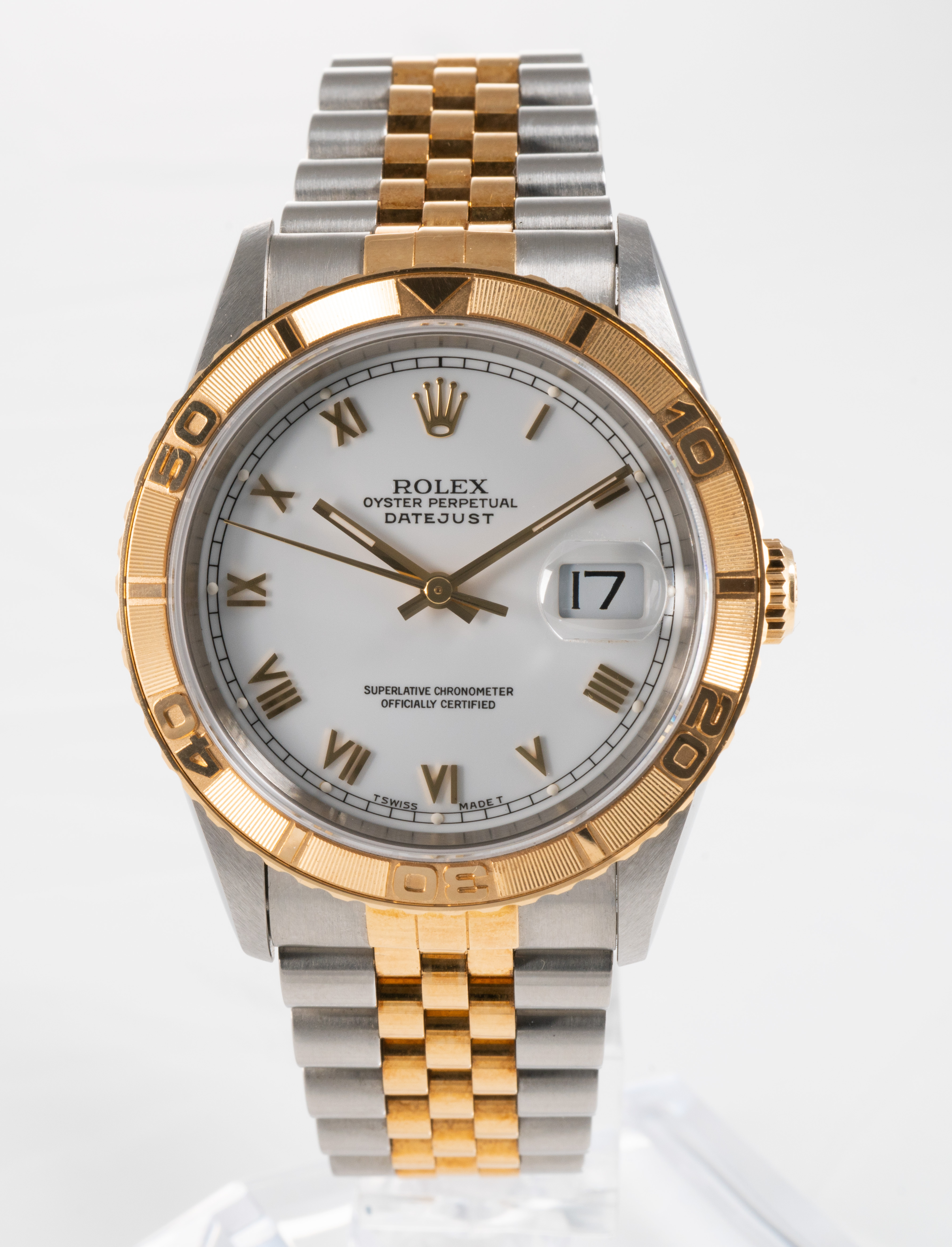
In the world of horology, precision is everything. Whether you wear a luxury mechanical timepiece, a high-end quartz watch, or a modern smartwatch hybrid, accuracy remains one of the most defining characteristics of quality. A beautifully crafted watch that loses or gains significant time each day quickly becomes unreliable, undermining both its practical purpose and its perceived value.
This is where calibration comes in. Watch calibration is the process of adjusting a watch’s movement to ensure that it keeps time as accurately as possible. In high-end watch servicing, calibration is a crucial step that requires expertise, specialised equipment, and a deep understanding of horological mechanics. In this article, we explore why calibration is so essential, what impacts the accuracy of a watch, and how professional calibration safeguards the performance and longevity of your timepiece.
Calibration is the fine-tuning of a watch’s timekeeping mechanism so that it runs within the manufacturer’s accuracy standards. These standards vary depending on the type of watch:
Calibration is carried out using specialised timing machines that measure the rate at which the watch runs, expressed in seconds gained or lost per day. For mechanical watches, readings are taken in multiple positions to ensure reliability in real-world wear.
At its core, a watch is a timekeeping instrument—and accuracy is central to its purpose. But for luxury watches, accuracy goes beyond simply telling the time.
An inaccurate watch often indicates underlying issues such as lubrication deterioration, worn components, magnetisation, or balance wheel disruption. Calibration identifies and corrects these issues early, preventing more serious faults.
High-end watches hold their value when well maintained. A watch that consistently underperforms or drifts significantly can suggest neglect, reducing its resale or collector’s value.
Luxury watchmakers dedicate enormous effort to ensure their movements operate within precise tolerances. Calibration ensures that the watch continues to meet the standards set by its manufacturer.
In short, accuracy is a hallmark of quality, and maintaining it reflects the care and appreciation a fine watch deserves.
Even the best-engineered watches are susceptible to environmental and mechanical influences. Understanding these helps explain why regular calibration is so essential.
Over time, friction, ageing oils, and natural wear of components can cause a watch to speed up or slow down. Without proper lubrication, the movement experiences increased resistance, which affects accuracy.
Both mechanical and quartz watches are influenced by temperature changes. Metals expand or contract, altering balance wheel frequency or quartz oscillator speed.
Modern environments are filled with magnetic fields—from mobile phones to laptops, speakers, and handbag clasps. A magnetised balance spring causes erratic timekeeping and must be demagnetised before calibration.
Mechanical movements are intricate systems of small, finely-tuned components. A hard knock or fall—even if the watch appears unharmed—can shift internal components slightly out of alignment.
Mechanical watches behave differently depending on their orientation (dial up, crown down, etc.). Calibration ensures the watch performs accurately across all typical wear positions.
A weakening battery can cause quartz watches to behave unpredictably, sometimes running fast before stopping altogether.
These influences underscore why accuracy shouldn’t be taken for granted—calibration ensures your watch compensates for these natural effects.
Calibrating a watch is a highly technical procedure and forms a major part of a comprehensive service. While the exact process varies depending on the watch type, there are several universal steps.
A timing machine measures the watch in multiple positions, giving readings for:
These measurements guide the watchmaker’s adjustments.
If the watch requires a full service, the movement is completely dismantled, cleaned ultrasonically, dried, reassembled, and lubricated precisely. Proper lubrication alone can restore significant accuracy.
Using micro-adjustment levers, screws, or weights on the balance wheel, the watchmaker fine-tunes the movement. Mechanical watches require skill and steady hands; even a fraction of a millimetre makes a difference.
Quartz watches may be adjusted electronically, though calibration is often tied to ensuring the movement is functioning correctly and that battery voltage is stable.
The calibrated watch undergoes testing in different orientations to simulate real wear. Luxury watches must perform consistently regardless of how they sit on the wrist.
Many high-end repair services keep watches for several days to confirm stability. This ensures that calibration holds under real-world conditions and that the watch is ready for daily wear.
Different manufacturers set their own accuracy expectations, and high-end watches often exceed general industry standards.
Examples include:
Calibration ensures your watch continues to meet (or exceed) these standards long after leaving the manufacturer.
Regular calibration—usually performed as part of routine servicing—offers several key benefits:
A well-calibrated watch is dependable, reducing the frustration of constant time correction.
Maintaining ideal performance conditions helps prevent wear and tear on movement components.
A properly calibrated, well-documented watch commands a higher price on the secondary market.
For many enthusiasts, part of the joy of owning a fine watch is knowing it performs exactly as it should.
Calibration frequency depends on the movement type, usage habits, and manufacturer guidelines.
If you notice abrupt changes in timekeeping, sudden gain or loss, or erratic behaviour, calibration may be needed sooner.
Watch calibration is far more than a technical adjustment; it is a vital part of maintaining the integrity, performance, and value of your timepiece. Precision is the hallmark of a high-end watch, and regular calibration ensures that your watch continues to meet the standards its maker intended.
By entrusting your watch to a reputable, experienced professional, you ensure that its movement is finely tuned, its components are protected, and its accuracy remains exceptional for many years to come. Whether you’re a seasoned collector or enjoy wearing a single cherished watch, calibration is essential to keeping your timepiece performing at its best—day after day, year after year.